
Africa is building a new digital economy. People are spending more time online. Businesses are moving their services onto the internet. Creators are building audiences of their own. Developers are launching apps and platforms for millions of users.
As that happens, one thing becomes increasingly valuable: digital attention.
But turning attention into sustainable revenue is still harder than it should be.
Advertising infrastructure was largely built around markets with different assumptions — faster connections, more uniform payment systems, mature digital advertising ecosystems, and a web where publishers and audiences behaved in predictable ways.
Africa doesn't always work that way.
The opportunity, then, isn't simply to bring existing advertising technology to Africa.
It's to build advertising infrastructure around Africa.
That is the idea behind Adscod.
Start with the way people actually connect
Good infrastructure begins with the environment it needs to serve.
Across Africa, mobile is central to the digital experience. Connectivity can vary. Data matters. Devices vary widely. And audiences are increasingly distributed across websites, apps, creators, and social platforms.
For an advertising platform, those aren't edge cases.
They're the environment.
Adscod was built around that reality.
Instead of treating the publisher, the advertiser, and the creator as separate systems, Adscod connects them through one advertising engine.
- Advertisers bring demand.
- Publishers bring digital inventory.
- Creators bring audiences and distribution.
Adscod provides the infrastructure that connects them.
The result is a three-sided advertising network designed to let value move between all three.
Advertising should fit the product
For a publisher, monetization should not come at the expense of the product.
A website shouldn't become slower because it has advertising. An app shouldn't need a large advertising SDK simply to display an ad. And a developer shouldn't have to rebuild the experience around someone else's technology.
That's why Adscod takes a lightweight approach to ad serving.
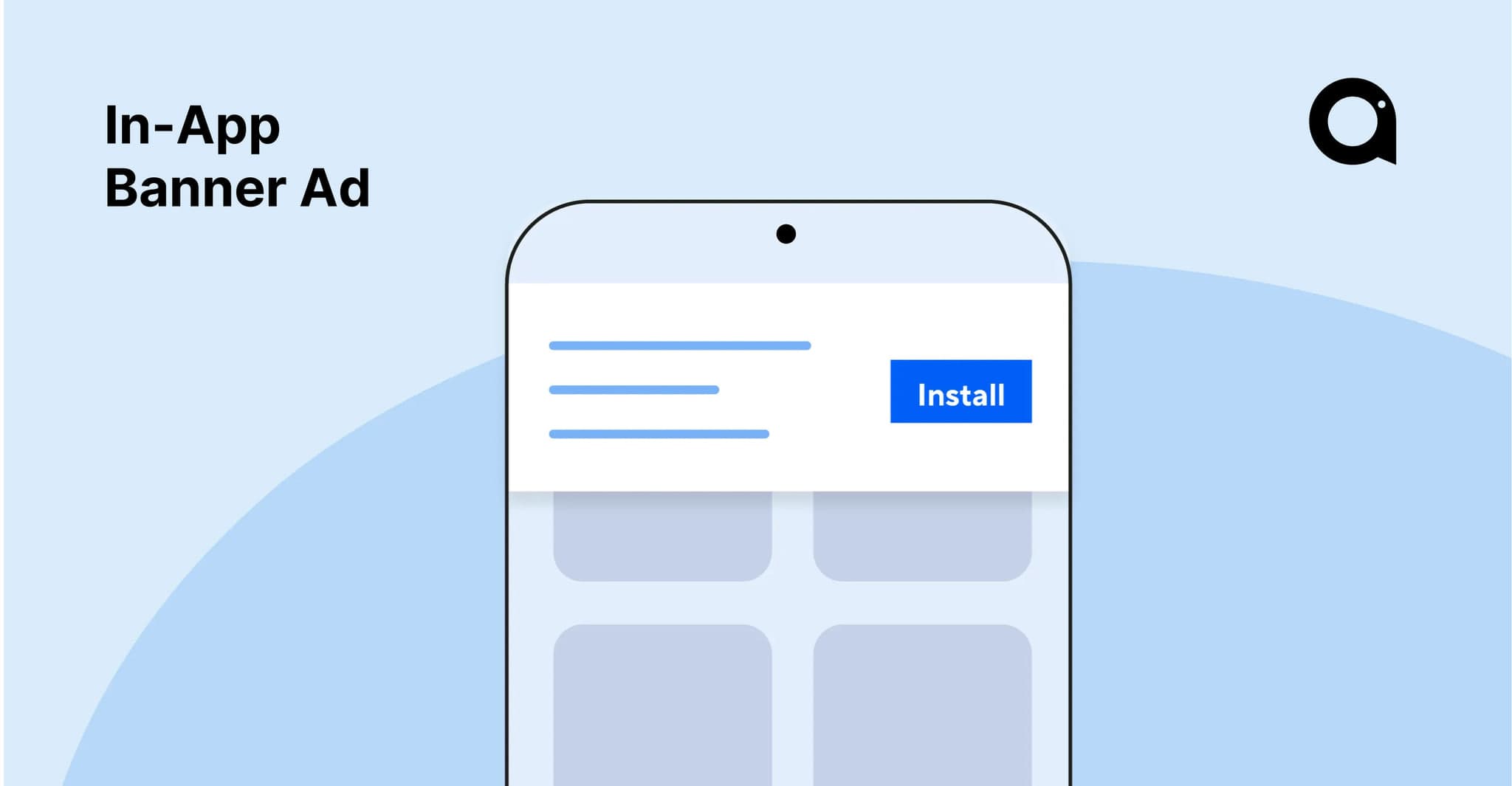
Publishers can connect through an API and request advertising from the platform without installing a traditional SDK. The response can then be rendered within the publisher's own experience.
- This keeps the publisher in control.
- The application remains the application.
- The website remains the website.
Advertising becomes a layer that works within the product rather than taking it over.
Adscod's platform is designed for fast ad serving, with the company stating that its ad engine can return advertising responses in under 50 milliseconds.
Fast infrastructure matters because every millisecond is part of the user experience.
The intelligence is in the connection
Showing an ad is easy.
Showing the right ad to the right person — and knowing whether the interaction is real — is much harder.
An advertising network has to make thousands of decisions.
- Which campaign should be served?
- Which audience is relevant?
- Which publisher or creator is the right fit?
- Is the activity genuine?
- Is the campaign performing?
Adscod's matching and validation technology is designed to answer those questions inside the platform.
At the centre of this is The Eye, Adscod's proprietary intelligence and fraud-detection system.
It is designed to evaluate advertising activity and identify suspicious behaviour while helping campaigns find relevant audiences based on signals such as geography, device, and audience characteristics.
That matters for both sides of the marketplace.
Advertisers need confidence that their budgets are reaching real people.
Publishers and creators need confidence that the activity generated through their inventory is legitimate.
And the platform needs both.
Trust is not a feature of an advertising network. Trust is the foundation of one.
One network for advertisers, publishers, and creators
The way people discover information has changed.
A consumer may discover a product through a creator, move to a link in that creator's bio, visit a website, open an app, and eventually make a purchase.
The journey doesn't belong to one platform.
It moves.
Advertising infrastructure needs to move with it.
Adscod brings publishers and creators into the same advertising ecosystem.
A publisher can monetize inventory inside an app or website.
A creator can use an Adscod bio page as a digital destination for their audience.
An advertiser can use the same platform to reach audiences across these different surfaces.
This creates something more useful than a collection of advertising tools.
It creates a connected network.
The creator is part of the infrastructure
Creators have become an important part of how people discover products and information.
Their value isn't only the content they produce.
It's the relationship they have with an audience.
That relationship creates distribution.
Adscod's Creator Hub gives creators a place to organize their digital presence while creating another surface through which advertising and affiliate opportunities can reach their audiences.
The model is simple.
- A creator builds the audience.
- The audience follows the creator.
- The creator's digital destination becomes another point of discovery.
- Advertisers gain another way to reach people.
- And the creator can earn from the attention they have already built.
This is an important shift.
The creator is no longer just the person making the content. The creator can also become part of the distribution infrastructure.
Money needs to move as easily as information
Advertising is ultimately a financial system.
An advertiser spends money.
A platform distributes that demand.
A publisher or creator generates value.
Revenue needs to move back through the system.
That becomes more interesting in a market where businesses operate across different countries, currencies, banks, and mobile-money networks.
Adscod addresses this through a wallet-based advertising model.
Advertisers can fund campaigns through their Adscod wallet, while campaign spending and publisher or creator earnings are tracked within the platform.
Supported payout options include mobile money and bank transfers, depending on the market.
The idea is straightforward:
The same infrastructure that measures advertising value should make it easier to move that value.
Built for more than one kind of audience
The internet is no longer one place.
People move between apps and websites.
They discover products through creators.
They follow links.
They consume content inside social platforms.
They return to services through mobile devices.
For advertisers, that creates a challenge.
How do you reach people across all these environments without rebuilding your advertising strategy for each one?
For publishers, the question is different.
How do you monetize your audience without building an advertising business yourself?
For creators, it becomes:
How do you turn the audience you've built into sustainable income?
Adscod is designed around the space where these questions meet.
One advertiser. One audience. Many ways to connect.
Africa doesn't need smaller advertising technology
It needs advertising technology designed for its reality.
That distinction matters.
The opportunity isn't to build a smaller version of an existing global advertising platform.
It's to rethink what the infrastructure should look like when the starting point is different.
- When mobile matters more.
- When creators are a major distribution channel.
- When publishers need lightweight integrations.
- When payment systems vary by market.
- When data efficiency matters.
When an advertising platform needs to serve audiences across multiple countries without assuming that every market works the same way.
Those constraints can look like limitations.
They can also be design principles.
- Build lighter.
- Build closer to the user.
- Build for mobile.
- Build around local payment systems.
- Build trust into the network.
And make it possible for advertisers, publishers, and creators to participate in the same ecosystem.
The opportunity is attention
Every digital product creates attention.
Every publisher creates inventory.
Every creator builds distribution.
Every advertiser is looking for people.
The opportunity is to connect them.
That's what Adscod is building.
Not simply another place to buy ads.
Not simply another way to display banners.
An advertising infrastructure designed to connect advertisers, publishers, and creators around the value of digital attention.
The technology is important.
The API matters.
The matching engine matters.
Fraud detection matters.
Payments matter.
But they all serve one larger idea:
Make digital attention more valuable for the people who create it.
Africa's digital economy is still being built.
So is its advertising infrastructure.
And the companies building that infrastructure today will help shape how the next generation of African businesses, publishers, creators, and advertisers participate in the digital economy.
Adscod is building for that future.